

The Impact of Telemedicine on Modern Health Insurance Plans
Telemedicine has rapidly become a significant part of healthcare delivery, transforming the way patients access medical care. With virtual consultations, remote monitoring, and digital health platforms, patients can receive professional guidance without leaving their homes. This shift has prompted health insurance providers to adapt policies, coverage, and reimbursement models to accommodate these changes. The convenience, efficiency, and accessibility offered by telemedicine are reshaping traditional expectations of healthcare, making it more inclusive and responsive to patient needs. The Impact of Telemedicine on Modern Health Insurance Plans illustrates how insurance companies are modifying benefits, payment structures, and provider networks to integrate virtual care, ultimately affecting both cost management and patient satisfaction.
Expanded Access to Care
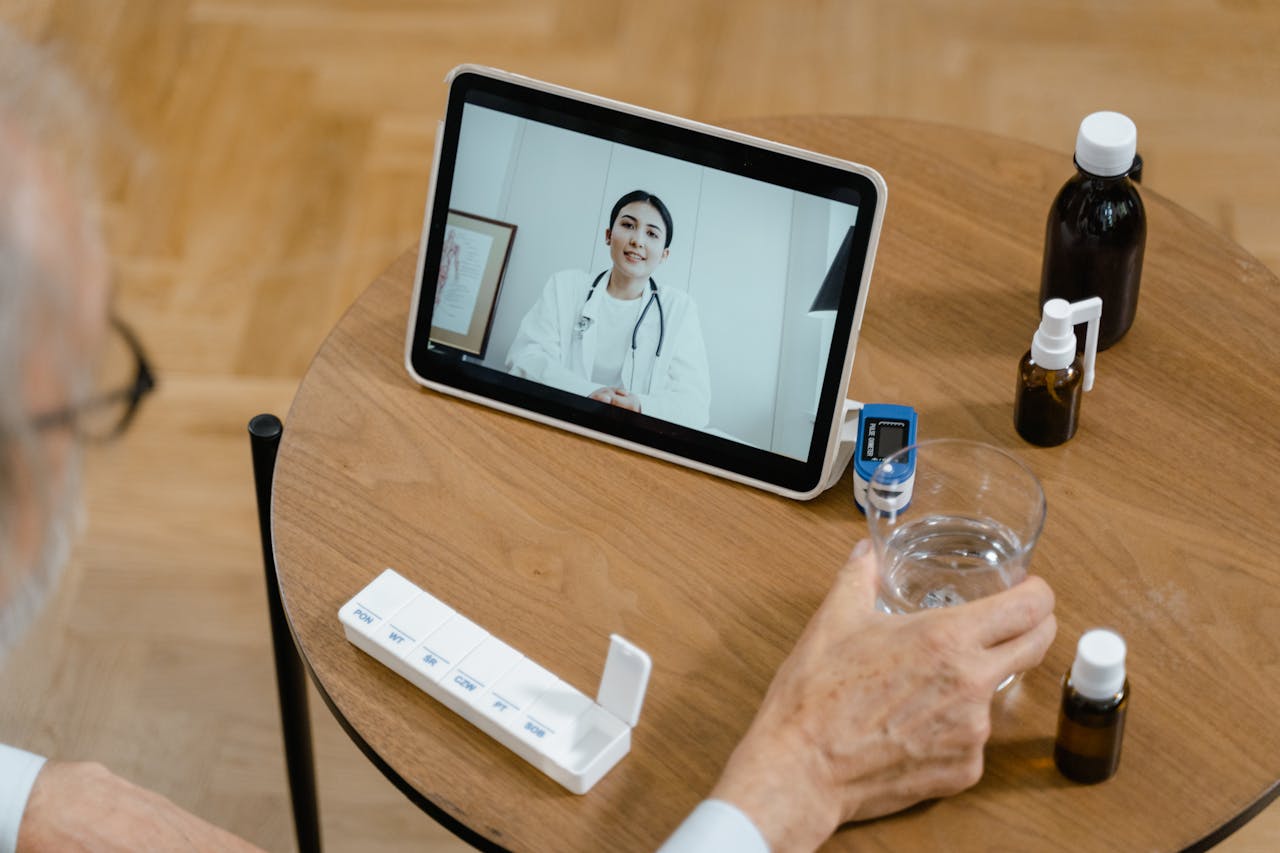 One of the most profound effects of telemedicine on health insurance is expanded access to care. Virtual consultations allow patients in remote or underserved regions to connect with healthcare providers without the barriers of travel or time constraints. Insurance plans have increasingly recognized this value and adjusted coverage to include telehealth services. This expansion is particularly beneficial for individuals with mobility limitations, chronic illnesses, or demanding work schedules. By incorporating telemedicine, insurance companies facilitate earlier interventions, reducing the likelihood of complications and hospitalizations. Broader access supports preventive care, which ultimately contributes to healthier populations and lower overall healthcare costs.
Reduced Healthcare Costs
Another critical impact is the potential for reduced healthcare costs. Telemedicine can decrease unnecessary emergency room visits and hospital admissions, which are traditionally high-cost services. Insurance providers are acknowledging these savings by offering coverage for virtual visits at lower copays compared to in-person consultations. Remote monitoring and virtual follow-ups allow providers to track patient progress efficiently, reducing repeated appointments and duplicate testing. This cost-efficiency benefits both insurers and insured individuals, creating a more sustainable healthcare model. Additionally, it encourages the adoption of preventive care and early treatment strategies, which can mitigate expensive interventions later.
Enhanced Chronic Disease Management
Telemedicine has also influenced chronic disease management in health insurance plans. Patients with conditions such as diabetes, hypertension, or heart disease require regular monitoring and follow-ups. Insurance companies now often cover remote health devices and virtual consultations to support continuous care. By leveraging technology, patients can report vital signs, medication adherence, and symptoms digitally, allowing providers to adjust treatments promptly. This proactive management reduces complications, improves patient outcomes, and lessens the financial burden on insurers. Integrating telemedicine into chronic care coverage demonstrates a shift in insurance priorities from episodic treatment to ongoing health maintenance.
Improved Patient Engagement

A further impact is improved patient engagement and satisfaction. Virtual consultations make it easier for patients to communicate with providers, ask questions, and receive timely advice. Insurance plans that cover telehealth encourage this engagement, fostering adherence to treatment plans and lifestyle recommendations. Enhanced engagement has a cascading effect, increasing preventive care uptake and improving overall health outcomes. Insurers benefit as well, as engaged patients often require fewer emergency services or hospital stays. By promoting consistent communication and monitoring through telemedicine, insurance companies create a more collaborative environment between patients and providers.
Flexibility in Insurance Coverage
Lastly, telemedicine has introduced greater flexibility in insurance coverage and policy design. Health insurers are offering plans that include virtual consultations as a standard benefit or as an optional add-on. Coverage may extend to mental health services, second opinions, and specialty care, which previously required in-person visits. This flexibility allows policyholders to select plans that best meet their needs while keeping premiums manageable. Insurers can also negotiate provider networks that incorporate virtual services, providing more options and accessibility for patients. By adapting policy structures to integrate telemedicine, insurance companies remain competitive and responsive to evolving healthcare demands.
In conclusion, telemedicine has significantly influenced modern health insurance plans, reshaping access, cost management, chronic disease care, patient engagement, and policy flexibility. By expanding virtual care coverage, insurers can reduce costs, improve health outcomes, and increase patient satisfaction. Chronic disease management benefits from remote monitoring, while flexible coverage models provide tailored options for a variety of healthcare needs. Overall, the integration of telemedicine into health insurance reflects a shift toward more accessible, efficient, and patient-centered care. As technology continues to advance, telehealth is likely to play an even more prominent role in defining how insurance policies are structured and how care is delivered.