
The Role of Risk Assessments in Disease Prevention and Control
Risk assessments are a key tool in protecting health. They help health experts identify and manage potential health risks in a community. Disease control depends on this careful process. Without a clear view of the risks we face, it’s hard to respond effectively. Here’s a breakdown of how risk assessments aid in disease prevention and control.
What Risk Assessments Actually Do
A risk assessment simply means figuring out what health risks are present and how large a threat they pose. It looks at a range of factors from a person’s lifestyle to their environment to gauge the likelihood of disease. It asks questions. Which viruses are spreading nearby? Are there sanitary issues in water and food supplies? This kind of inquiry lets health officials prioritize their resources. If a community is at a high risk for a water-borne disease, for example, health workers can respond quickly. They can treat water, distribute vaccines, and educate people on protective measures. Without this knowledge, responses would be a shot in the dark.
Why It’s So Important for Disease Prevention
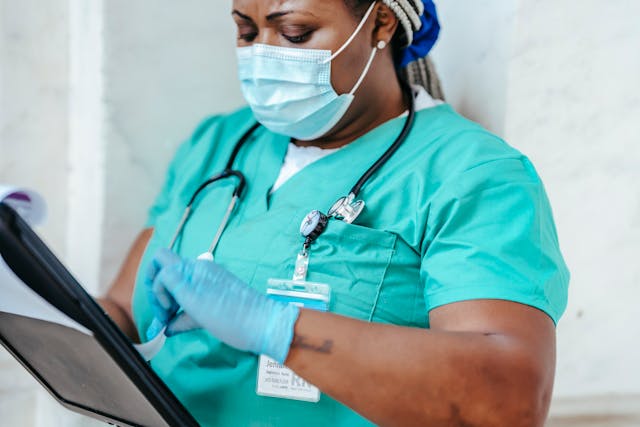
Prevention starts with understanding. If you know where a health hazard might come from, you can take action to avoid it. Risk assessments are a powerful way to gather this knowledge. They help health workers cut off disease chains before sickness can take hold in a population. This makes health care more efficient. It lets authorities put their resources where they will make the greatest difference. Instead of trying to treat disease after it has struck, health workers can act first and avoid many cases altogether.
Types of Risk Assessments in Public Health
Risk assessments come in a few varieties. Some focus on identifying hazardous conditions in the environment. Water, food, and air can all carry disease if not properly treated or maintained. Other assessments concentrate on human factors, like lifestyle habits, population density, and healthcare infrastructure. Some risk assessments are forward-looking. They try to predict future health trends based on present conditions. The COVID-19 outbreak is a dramatic example. Scientists assessed the risk of human-to-human transmission and were able to respond quickly by closing borders and putting health measures in place.
Disease Control Measures Based on Risk Assessments
Once health officials know where the greatest risks lie, they can implement control measures. If mosquitoes are spreading a disease, draining stagnant water and using insecticides might be a priority. If poor hygiene is a key driver, education campaigns and sanitary facilities can make a huge difference. Risk assessments allow health workers to match their strategies to the specific problem. That means less waste and a greater chance of success. It’s a tailored approach, not a one-size-fits-all solution. This careful matching of control measures to actual risks highlights the unique role of risk assessments in disease control.
The Future of Disease Prevention
As the world evolves, the role of risk assessments will grow more important. Climate change, growing cities, and extensive travel all affect health risks. There are new viruses and antibiotic resistance to consider. Risk assessments will help health workers stay a step ahead. Technology is making these assessments more sophisticated. Large amounts of health data can be analyzed quickly. Machine-learning algorithms can find patterns we may miss manually. This lets health workers respond faster and more accurately. Instead of reacting to a crisis once it starts, health authorities can be proactive. That makes a huge difference in protecting communities.
In Conclusion
Risk assessments are a powerful tool in preventing disease and protecting health. They help health workers identify, prioritize, and respond to health risks in their community. Without them, control measures would be less effective and more costly. This approach lets health authorities match their resources to the greatest need. It cuts waste and saves lives by addressing problems before they become emergencies. The future of disease control depends on this careful, forward-thinking process.